


Peer-to-Peer Networks
Peer-to-peer (P2P) is a type of network architecture where computers communicate directly with each other without relying on a central server. In this model, every computer, called a peer, can act both as a client and as a server. This means that each device can request data from other peers while also providing data to them. P2P networks distribute tasks and resources across many participants instead of concentrating them in one central system.
How P2P Networks Work
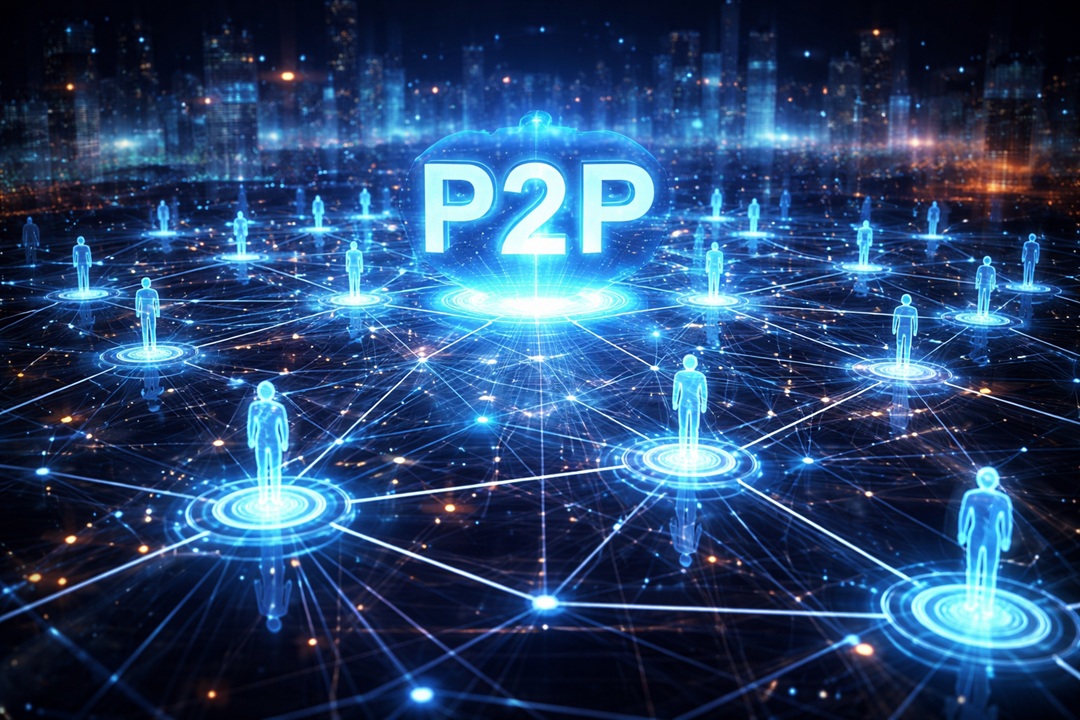 In a distributed network, files or resources are divided into smaller pieces and shared among multiple computers connected to the network. When a user downloads a file, the data can come from several different peers at the same time. The software coordinates which pieces are downloaded from which users, and then reassembles the complete file on the receiving computer. This distributed approach improves efficiency and allows many users to share large files quickly.
Peer-to-peer technology is widely used for file sharing applications. Popular P2P systems include platforms used to distribute large datasets, software updates, or multimedia content. It is also used in modern technologies such as blockchain networks and cryptocurrencies, where every participant keeps a copy of the shared ledger. Some online games and communication systems also rely on P2P structures to reduce server load.
Advantages of P2P Networks
One of the main advantages of distributed networks is their scalability. Because each new participant contributes computing power, bandwidth, or storage, the network can grow without requiring expensive central servers. This also improves reliability: if one peer disconnects, the rest of the network can continue functioning because the data exists on multiple machines.
Another benefit is efficiency in distributing large amounts of data. For example, when thousands of users download the same file through a distributed network, they also upload parts of that file to others. This reduces congestion and speeds up downloads compared to a traditional system where everyone downloads from a single server.
Limitations and Challenges
However, distributed networks also have some drawbacks. Security can be a concern because data often comes from unknown peers. Malicious users may distribute infected or corrupted files. Additionally, managing copyright and illegal content distribution can be difficult since the network is decentralized and does not have a central authority controlling the data.
Conclusion
Despite these challenges, distributed technology remains an important part of modern networking. It enables decentralized systems, supports large-scale data sharing, and powers innovative technologies such as distributed computing and blockchain. As internet infrastructure continues to evolve, distributed networks will likely remain a key method for sharing information efficiently across the world.